

By James Li
Which is the ethos of our generation: irony or sincerity? According to a New York Times op-ed titled “How to Live Without Irony,” irony and its trappings define Generation Y. Yet others believe that “New Sincerity” is our generation’s ethos, arguing that vulnerability, authenticity, and earnestness are stronger than ever. This tension is constantly present in American rock music. It’s difficult to describe the lyrics of Lou Reed, David Byrne or Isaac Brock without using the words “detached irony.” Yet on the other hand, many songwriters tend toward writing overly honest lyrics, especially in the Americana-inflected approach taken by Bruce Springsteen and Tom Petty.
The newest album from Philadelphia band The War on Drugs, Lost in the Dream, falls into the Springsteen-Petty camp of song-writing. The band’s primary songwriter, Adam Granduciel, pays a heavy debt to 80s arena rock, a genre of music that trades in single-entendres and cool guitar solos for sentimentality and banality. But the way that Granduciel embraces influences from Petty and Springsteen never feels like mocking irony, instead seeming more akin to genuine admiration. Lost in the Dream sounds refreshingly modern, despite Granduciel wearing his influences on his sleeve; the songs never sound like pastiche. The band repurposes synths, drum machines, and saxophone solos – all signature tools of 80s production — in a way that evokes krautrock, dream pop, and shoegaze. Motorik grooves and walls of guitar haze feature heavily on the album.
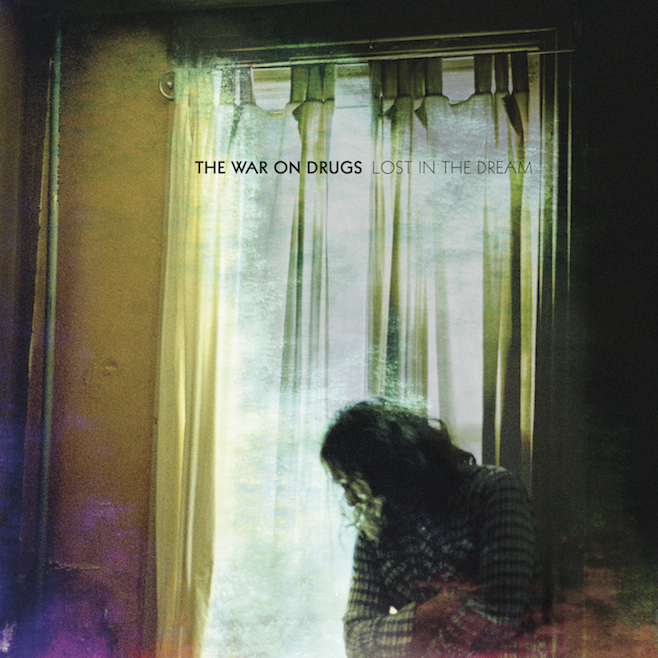
One of the most surprising things about Lost in the Dream is how exciting it is to listen to, even though it shouldn’t be. It seems that breezy, retro-influenced indie rock bands are a dime a dozen these days, and often these bands play boring music, but Granduciel’s song-writing separates The War on Drugs from the rest of the pack. Take the album’s opener, “Under the Pressure,” a nine-minute mid-tempo two-chord rocker. It’s a restrained, almost minimal formula, but the driving motorik beat and meditative guitar build-ups make it the road trip song of the year. The album is also compelling when the band slows things down; “Suffering” is a beautiful and tender folk ballad, and the flourishes of saxophone and Wurlitzer don’t detract at all. Harmonica and slide guitar feature heavily in “Disappearing,” but in the context of a languid dream pop song, somehow working together.
Listening to Lost in the Dream reminded me of two Bruce Springsteen’s classic 80s albums: Nebraska and Born in the U.S.A. I suspect that Nebraska, with its lo-fi production and bleak lyrics, might be more popular and influential in indie circles, but Lost in the Dream is an album in the vein of Born in the U.S.A. Those who dislike lengthy guitar and sax solos, openly vulnerable lyrics, and blue-collar Americana might not enjoy this album. But it’s a captivating, vibrant, and sincere album for anyone who chooses to listen. (Secretly Canadian)



 Demo Magazine
Leave a comment