By James Li
Tokyo trio Boris make some of the most interesting rock music out there. There’s only one problem with diving into their discography, though: where to start? The staggering collection includes nineteen full-length albums, collaborations with some of the biggest names in the Japanese avant-garde (such as Merzbow, Keiji Haino, and Michio Kurihara), entirely separate albums released under the same title (such as Heavy Rocks, Vein, or Smile), hour-long drones (such as Absolutego, Flood, or Feedbacker), a soundtrack to a nonexistent film (Sound Track from Film “Mabuta No Ura”), and an album on two discs intended to be played at the same time (Dronevil). They play everything from psychedelic rock, shoegaze, drone, crust punk, and even J-pop — sometimes on the same album. Boris are definitely a band that prefers unpredictability to consistency, but that’s no help to people unfamiliar with their work.
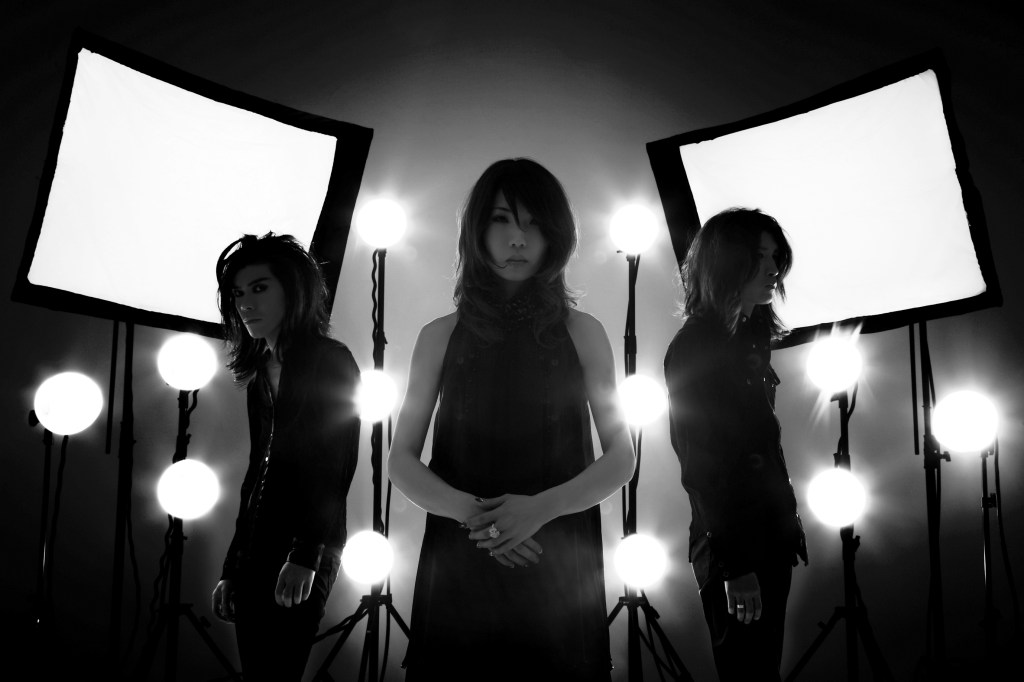
Thankfully, there are some tricks for getting into Boris. If the band spell their name in titlecase or lowercase on the album sleeve (“Boris” or “boris”), then it’s an experimental album — anything from droning guitar feedback to shoegazing J-pop. But if their name is spelled in uppercase (“BORIS”), then expect their signature blend of doom metal and shoegaze, topped off with a strong dose of screaming guitars. Boris’ uppercase releases are more focused, but not necessarily more restrained. The trio, which includes Takeshi on bass, Atsuo on drums, Wata on guitar, and all three on vocals, revels in ‘70s hard rock excess on their uppercase releases — Boris are one of those bands that still love long hair and smoke machines, after all. Takeshi plays a double-necked guitar-bass hybrid. Atsuo incorporates a gong into his drum kit. But it’s Wata that takes Boris over the top: her gut-ripping leads easily put her in the league of the best rock guitarists today.
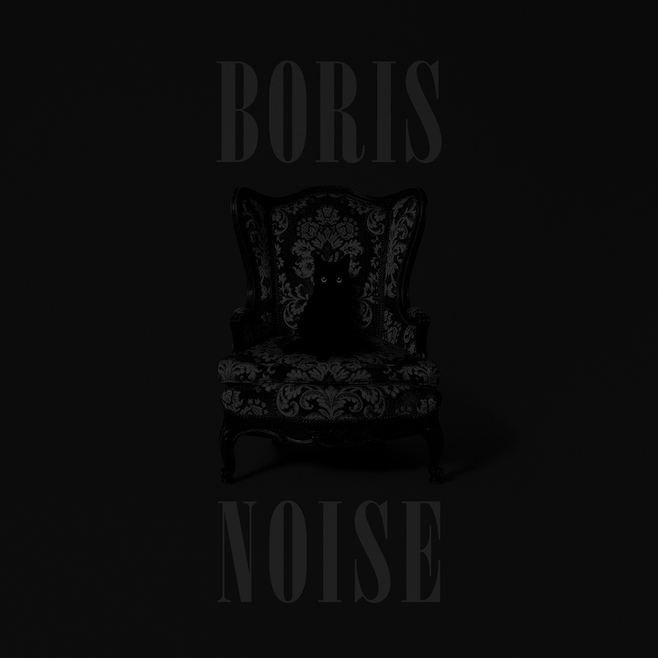
It’s been three years since Boris released a widely-available album (last year’s Präparat is a Japan-exclusive, vinyl-only, limited edition release — pretty hard to find, in other words). Boris have been experimenting with pop sounds on their latest releases, but Noise, Boris’ nineteenth album, is an uppercase album, a return to their heavier sound. The band themselves said in a press release, “If we had to suggest just one album for those unfamiliar with BORIS’ music, we will pick this for sure.”
While Noise isn’t purely noise (which Boris have played with on previously releases), it lives up to the band’s promise. Noise is a good microcosm of Boris’ broad sonic palette. Doing one of the things they do best, Boris marry shoegaze and doom metal on the aptly titled “Melody.” The guitars are fuzzy and dense, with Wata’s backing vocals floating overhead. This blend of doomy shoegaze, balancing the tension between sheer heaviness and delicate beauty, is the predominant sound on Noise, continued on tracks like “Ghost of Romance” and “Heavy Rain.” “Quicksilver” is one of Boris’ most straightforward rockers, adhering strongly to Motörhead’s philosophy of “everything louder than everything else.” Although it’s seven minutes long, it’s unrelentingly fast, propelled by Atsuo’s blistering d-beats and Takeshi’s black metal-influenced howls.
Noise is a grab bag of an eclectic range of genres, but what do you expect from a band that admires Melvins, Venom, Nick Drake, and My Bloody Valentine equally? While Boris deserve to be applauded for their ability to jump between genres as opposite as dream pop and crust punk in the span of a single album, not every experiment ends up being a success. While Boris reach impressive highs on Noise, there are still lows. Thankfully, the best tracks on the album are the longest, such as “Heavy Rain,” “Quicksilver,” and the eighteen-minute opus “Angel.” Conversely, the weakest tracks are the shortest, such as “Taiyo No Baka,” a bizarre indie pop ditty, or the sleepy two-minute “Siesta,” an anticlimactic choice for a closing track, especially when the droning coda of “Quicksilver” would have ended the album on a much higher note.
The biggest problem with Noise isn’t that there are weak tracks on it, but that it doesn’t entirely come together as a cohesive whole. Instead of releasing a grab bag, they could have made a stronger statement by building upon the ideas of any given track on the album. “Quicksilver” is one of Boris’ most aggressive pieces yet, and it would have been interesting to hear them take on crust punk or black metal influences through another full-length release. “Angel” is an utterly fantastic guitar-driven epic that could easily have been extended to album length like the forty-minute track Feedbacker or the seventy-minute Flood.
Despite being somewhat incoherent, Noise is still a satisfying listen and achieves what Boris set out to do, summarizing the wide array of genres that they’ve experimented with. Noise is a good introduction for those unfamiliar with Boris’ work, but it’s far from the trio’s best album. It is, however, a useful primer for Boris’ imposing discography. Those who enjoy the doom metal / shoegaze hybrid on “Melody” or “Heavy Rain” might enjoy Pink or Smile. For those who enjoyed the uncompromising heaviness of “Quicksilver,” look into Akuma no Uta and Vein. And for those who want something, well… noisier, there’s Feedbacker or their Sunn O))) collaboration Altar. Noise might not be the strongest or the most consistent album in Boris’ discography, but they have plenty of strong albums to make up for it, and Boris would rather play on their own terms than worry about being consistent. And honestly, it’s better that way. (Sargent House)
Listen: “Quicksilver”





 Demo Magazine


Leave a comment