
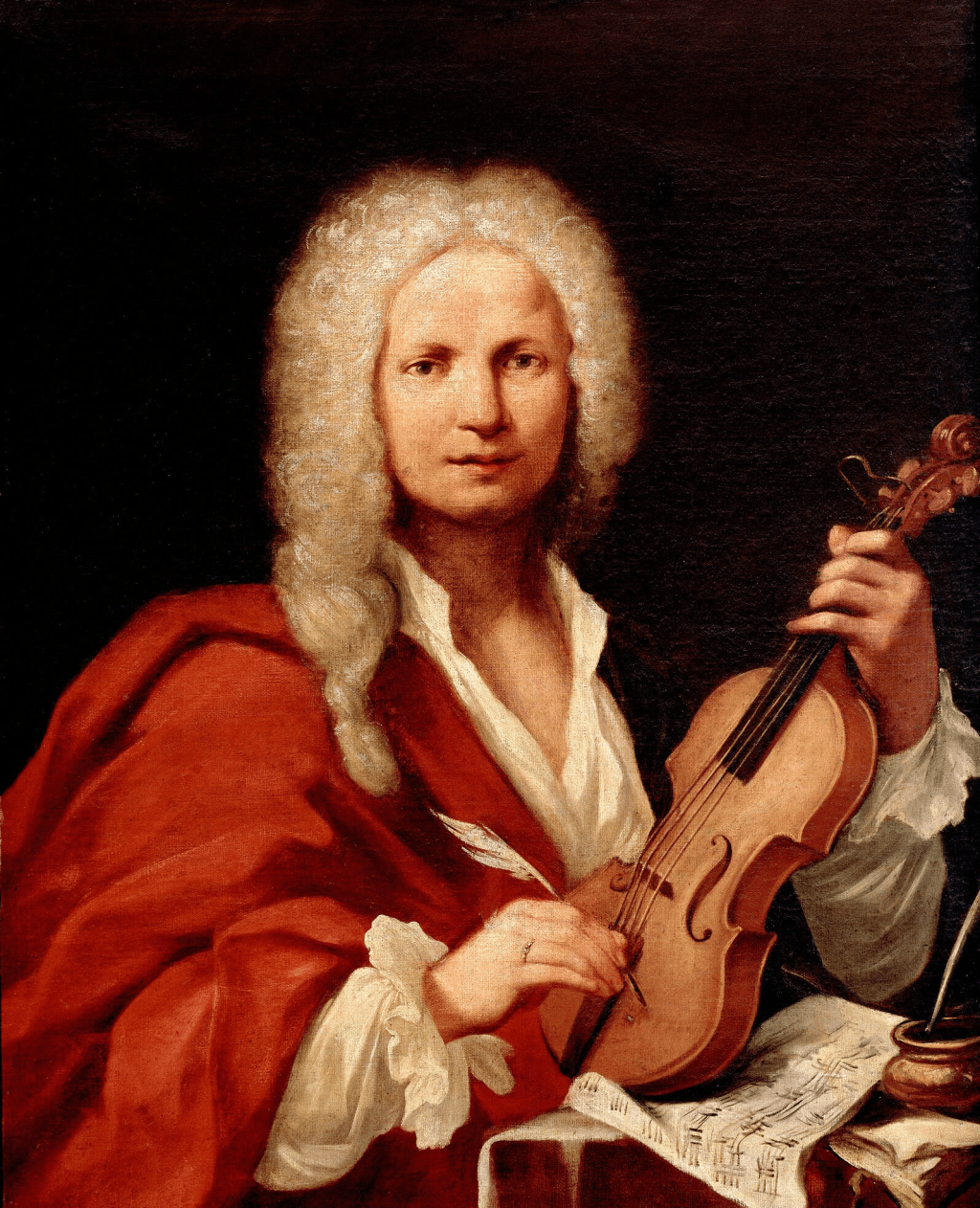
When you’re being spiritually shot at (falling in love) and going mildly insane (my friends refer to this time period as the Great Crash Out of 2024), every song you listen to is either sickeningly sad or argumentative and angry. During this period, a pandemic of angry music infected every one of my playlists. My goal to find intensity that made my ears sweat out any form of sadness brewing in my brain resulted in a lot of loud, classic pop (shoutout “Hot N Cold” by Katy Perry, it makes me sick to hear you at clubs now), and a lot of screaming. The appearance of bangers like “Break Stuff” by Limp Bizkit, a variety of Deftones, and the reappearance of my punk queens Bikini Kill, satiated my demand for angry music. However, nothing could beat the pure evil-kind-of mad Vivaldi’s “L’estate (Summer)” brought out of me.
The piece, released in the 17th century, is part of the Italian composer’s very famous violin concerto called The Four Seasons. Each season, made up of several movements, is paired with a sonnet to relay a story, and Vivaldi’s dedication to summertime focuses on the wrath of thunderstorms. The drama and intensity increases throughout the three movements, evident in the pace increase from allegro non molto (lively, not too fast) to presto (very, very fast). The anger of the storms is translated through a violinist who must be adept in rapid fingering and fast string crossing, all whilst keeping up with a tempo reaching 160–200 BPM, in comparison to the 100–120 BPM expected when performing CPR to properly perform their solo.
This concerto follows a very typical structure, which consists of three movements:
First movement
This first section establishes tension by beginning at a very fast pace. Summer begins at an explosive beginning at a tempo of allegro, with the introduction of the entire orchestra and hints of the leading violinist. The initial reaction without thinking mirrors the explosive beginning—when you say things before thinking about them properly, the spike of adrenaline that makes it hard to breathe properly, the sudden onset of anger.
Second Movement
Evident through the descension of notes down the scale and a slower tempo compared to the rest of the piece, the second movement is described to be the more lyrical and expressive portion of the piece. The sequential movement of notes going down in pitch invites a sense of uneasiness, almost like the calm before the storm or a pot simmering a slow-cooked dish, as all of your thoughts begin to meld together as flavors blend in food. The initial anger has passed and the feelings are left to brew underneath a false sense of calm.
Third Movement
The conclusion of a concerto consists of a lively finale and is meant to serve as the energetic closing to the piece marked by the return of the entire orchestra and the fast pace from the first movement. The return of the initial spike of anger returns after the calm before the storm. The end of the movement gets louder and LOUDER and so does your anger and Vivaldi drags you to the end of the concerto with the final huzzah, a catharsis for all our pent up feelings.
As a result, the piece blends together a mirage of vivacious, disturbingly beautiful sounds, and is my top pick to accompany any crash out. It is hard to imagine a room of 17th century aristocrats listening to this piece without it inspiring the level of emotion it does in me. I cannot think of a more perfect background track to ruminate on a particularly nasty argument, brew up a very sternly worded breakup text, or even pull up to a shift at a minimum wage job that does not pay nearly enough. The juxtaposition between the intensity of the sounds compared to the peace it gave me earned it a place in my regular listening habits.
This time period where I was listening to Vivaldi shifted my perspective in music and my own taste in music. I avoided older classics after being put into piano lessons where all I thought about was Mozart and Beethoven. I found my own newfound appreciation for older classics through Summer.
By the time I was no longer being spiritually attacked and achieved relative inner peace, Vivaldi had earned its place as one of my most frequently played artists—a sore thumb sticking out from the rest of the list in both genre and time period. Vivaldi has since fallen back in my listening habits, but I know he is waiting for me around the corner in the next inevitable crash out to come.
 Demo Magazine
Leave a comment